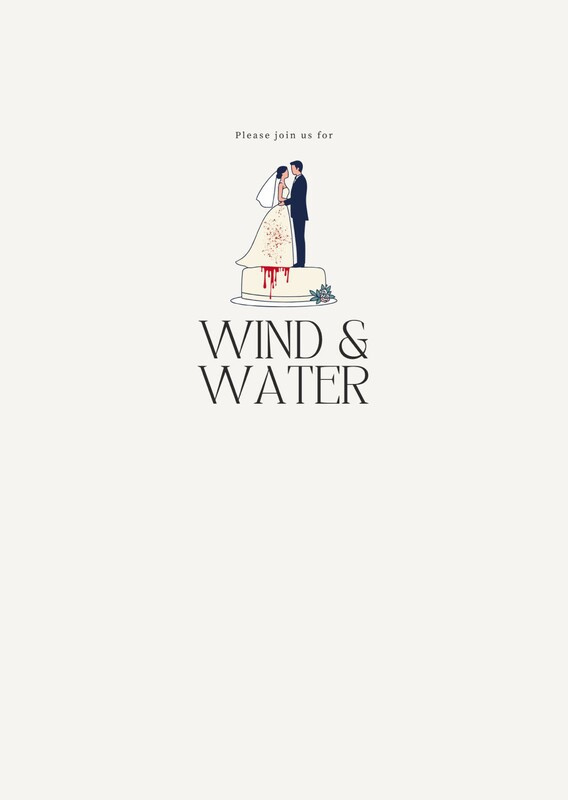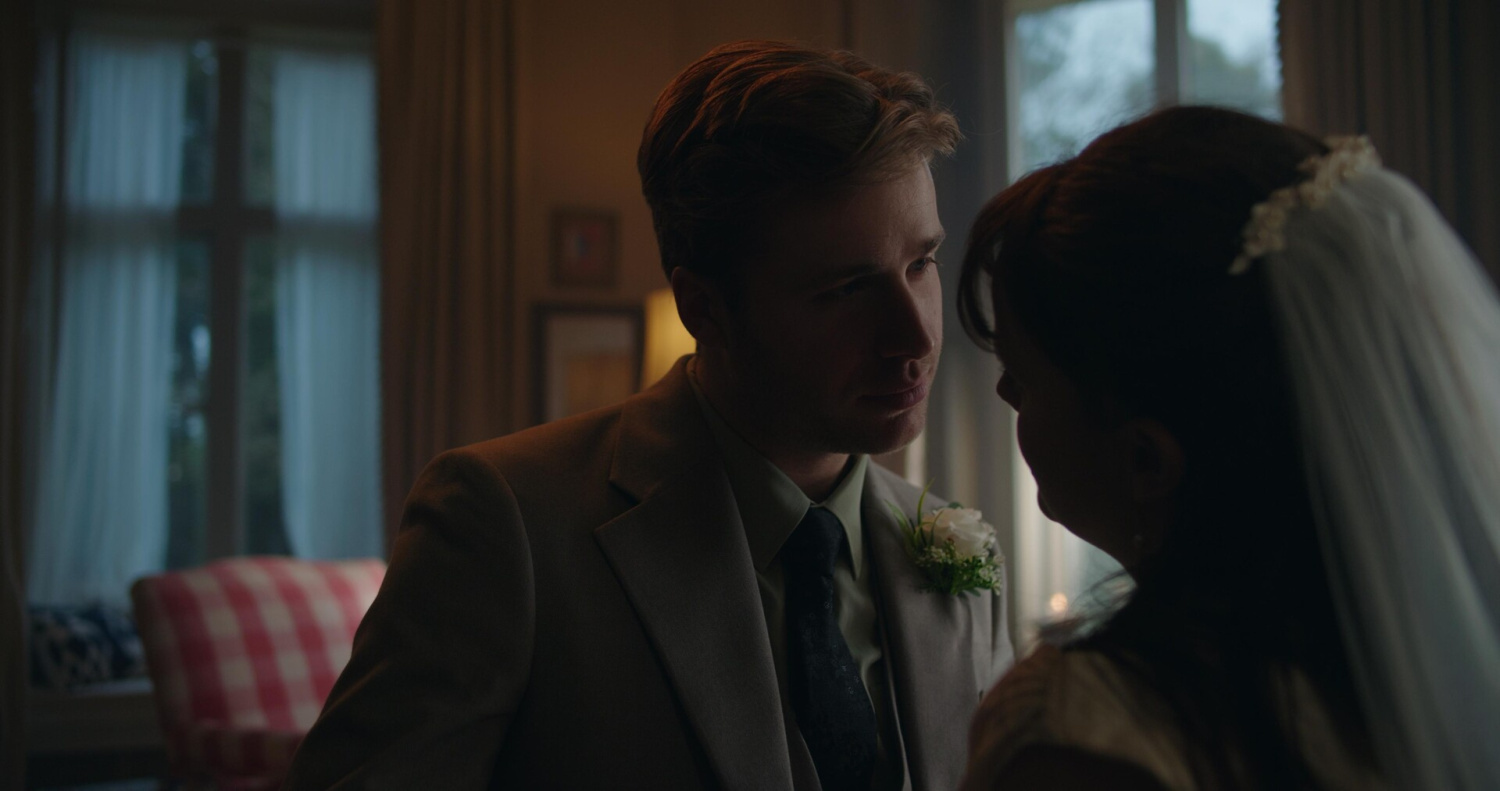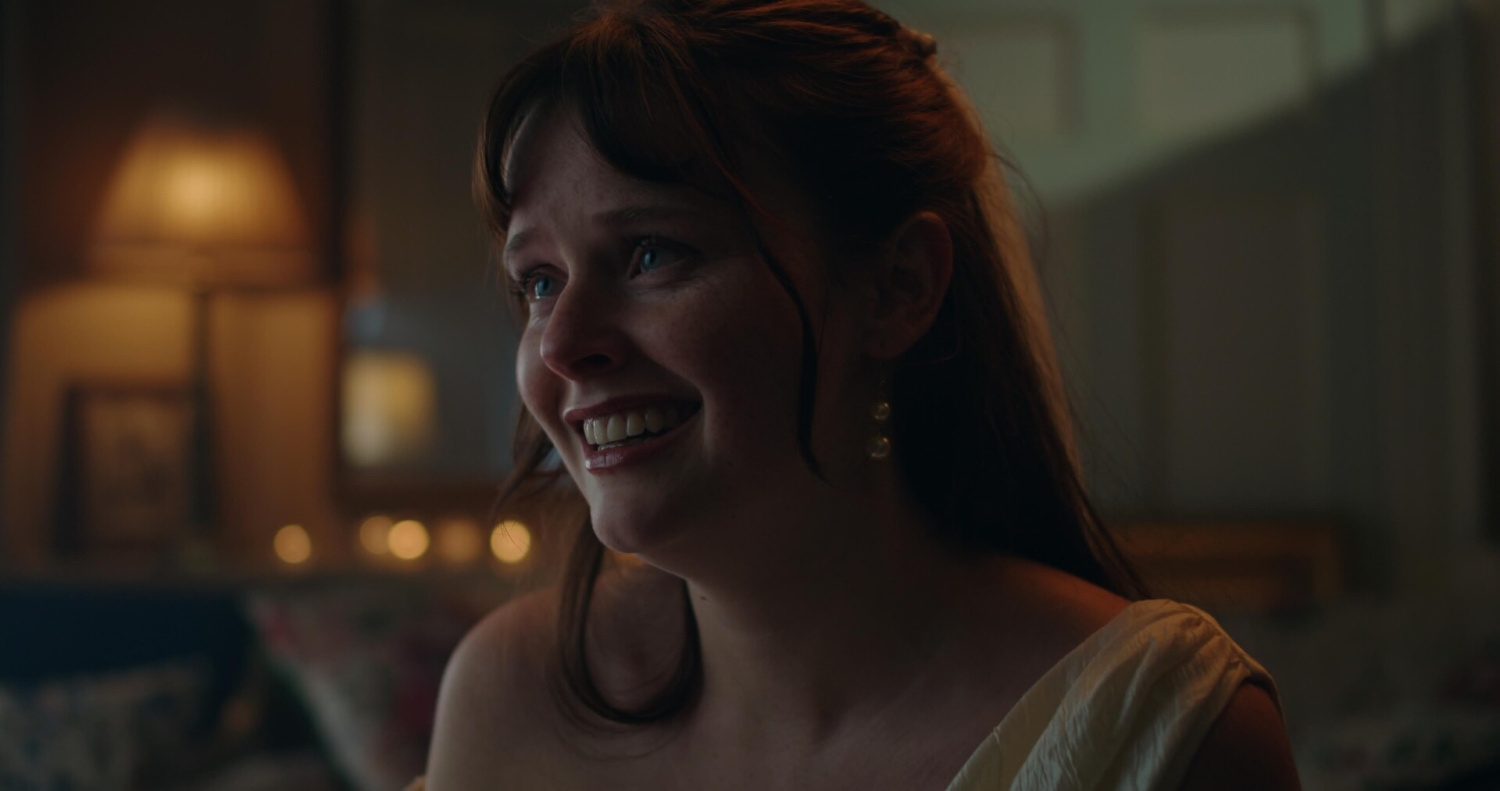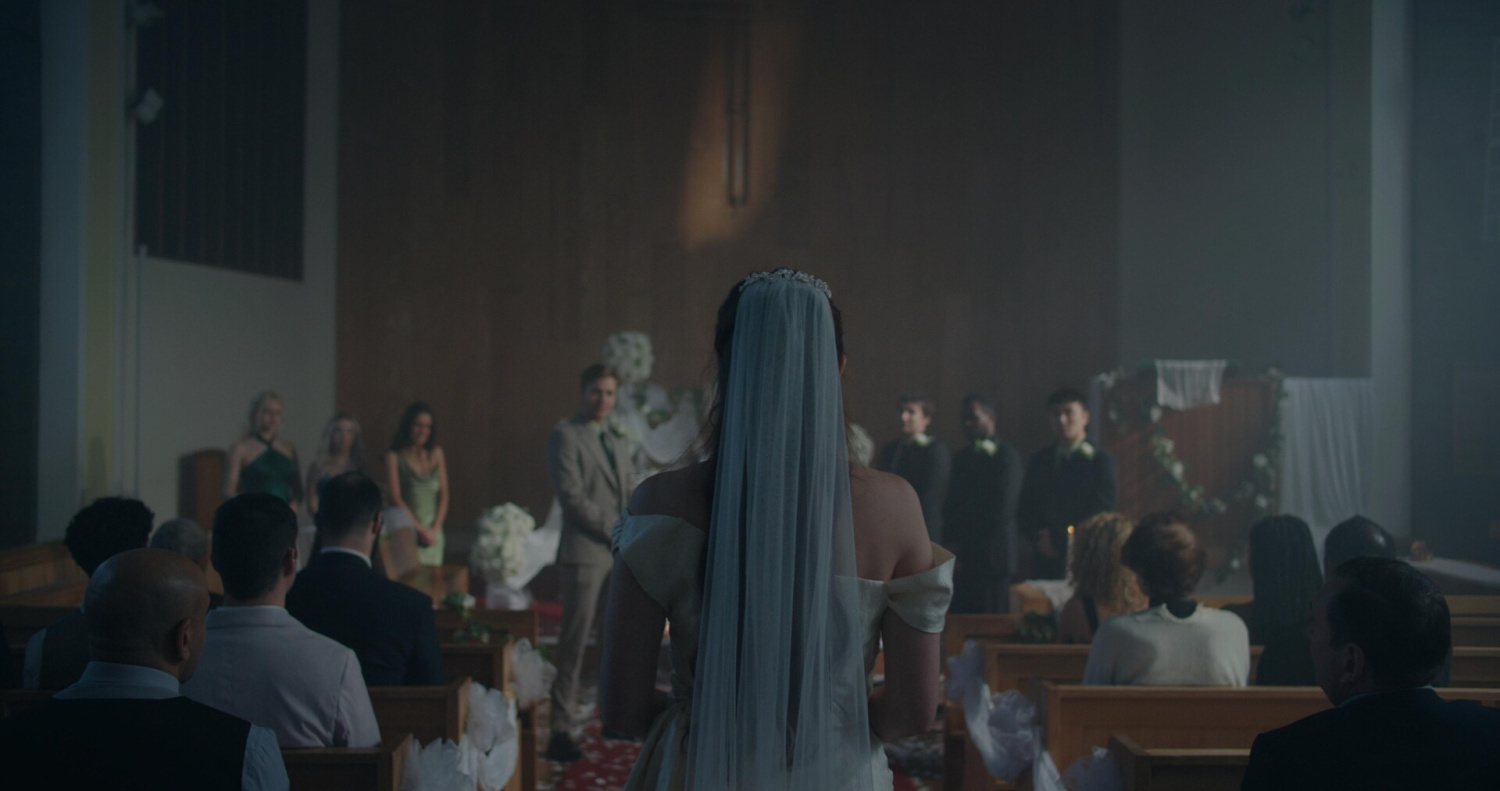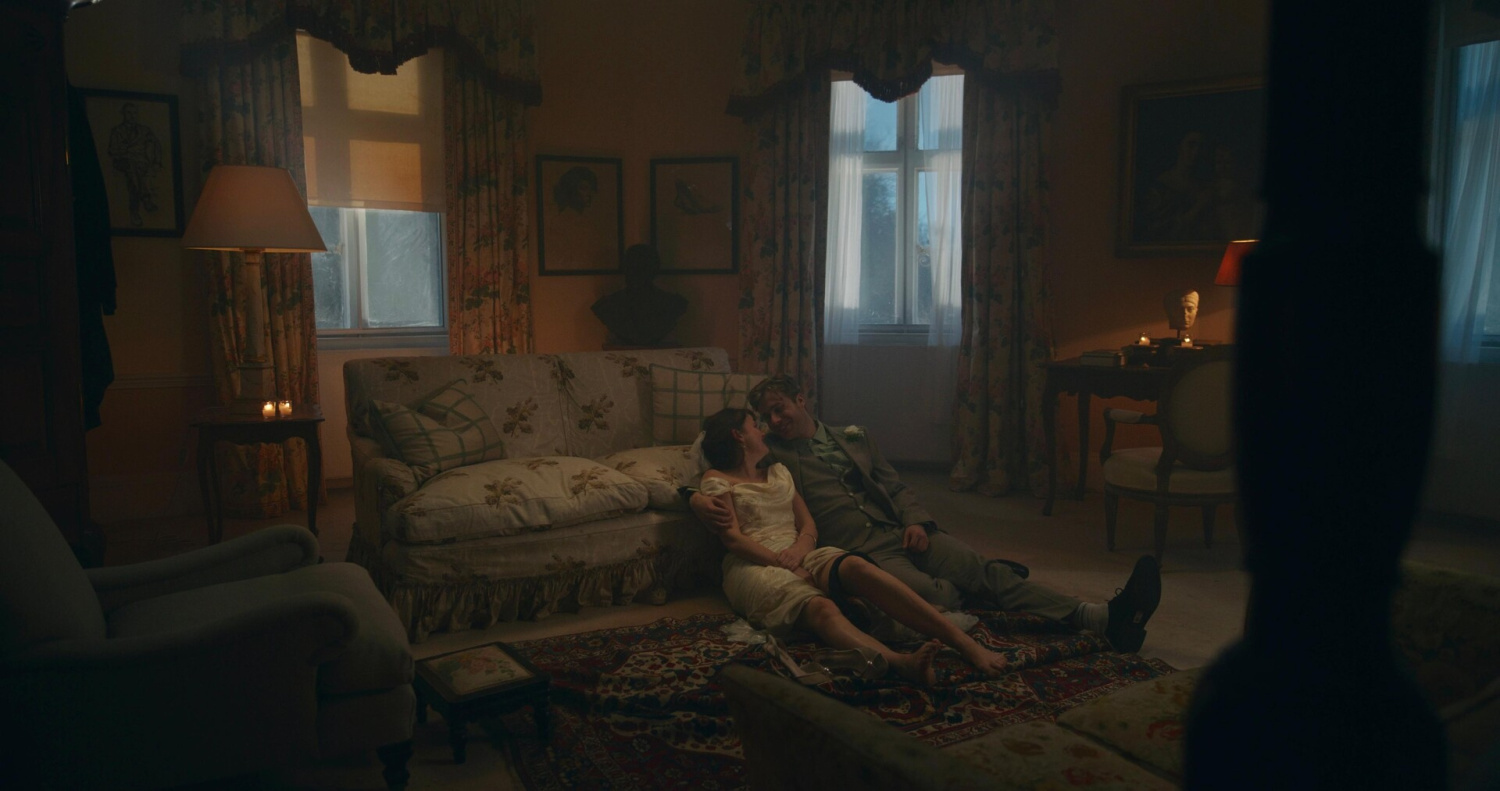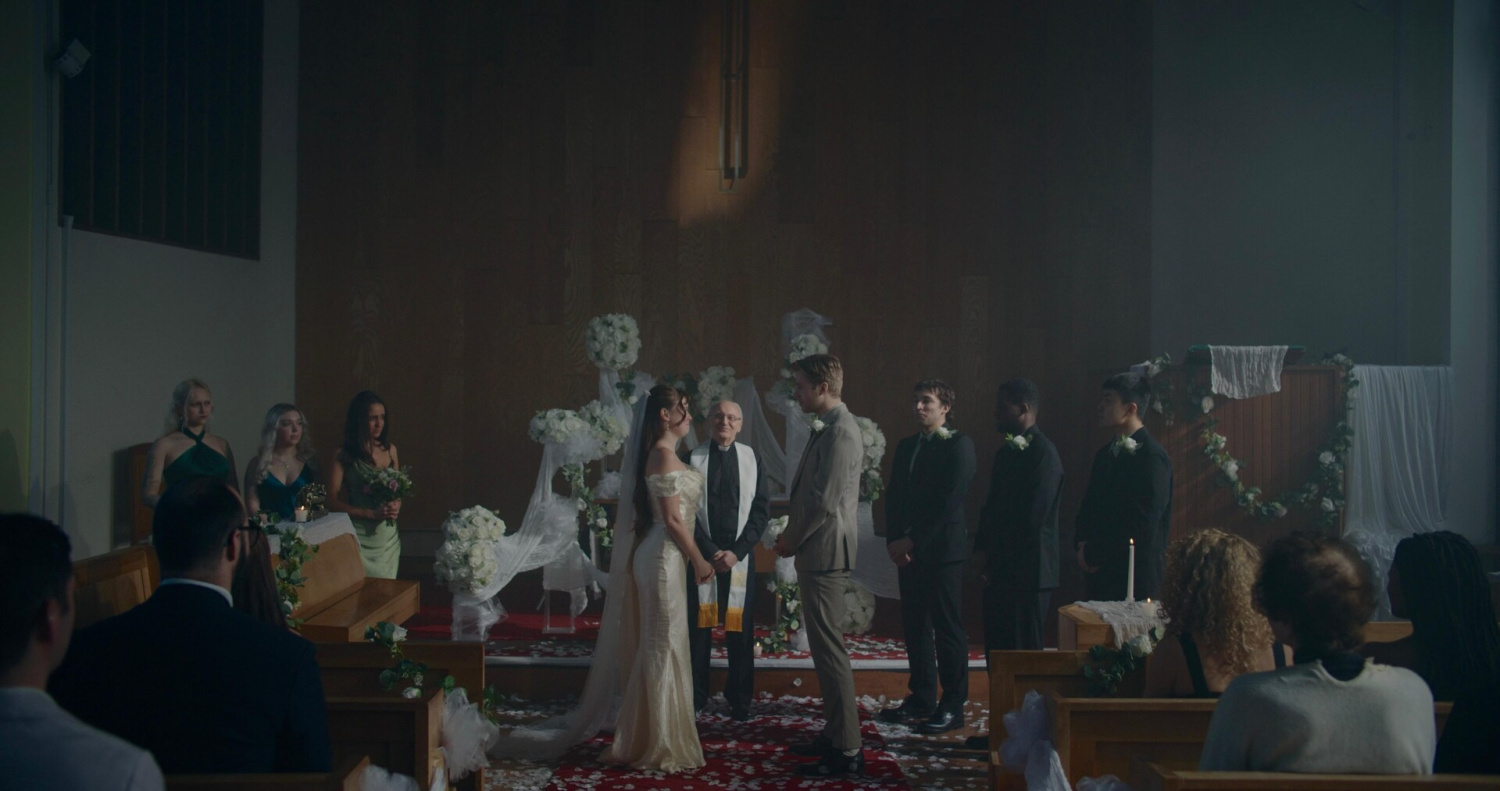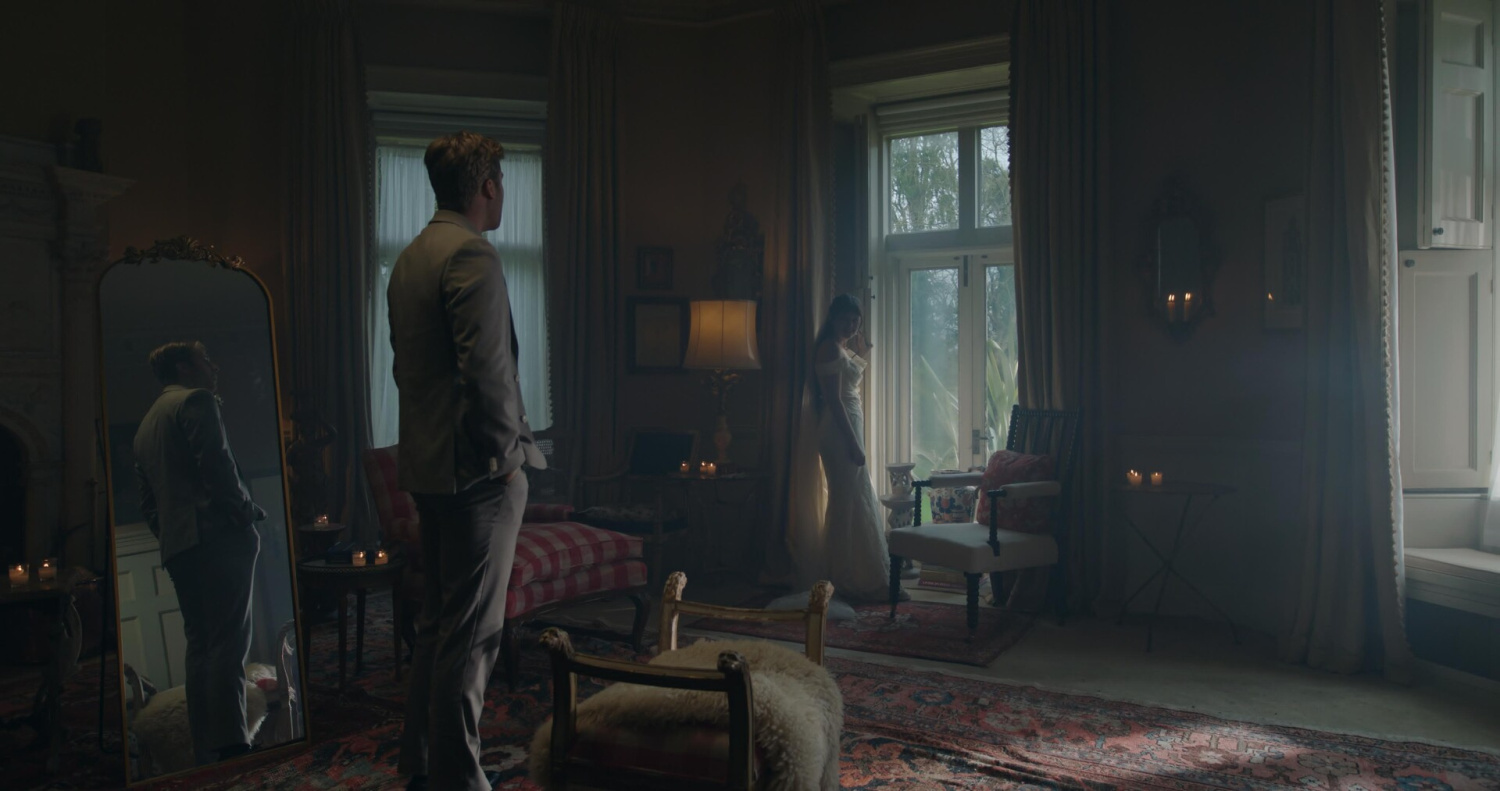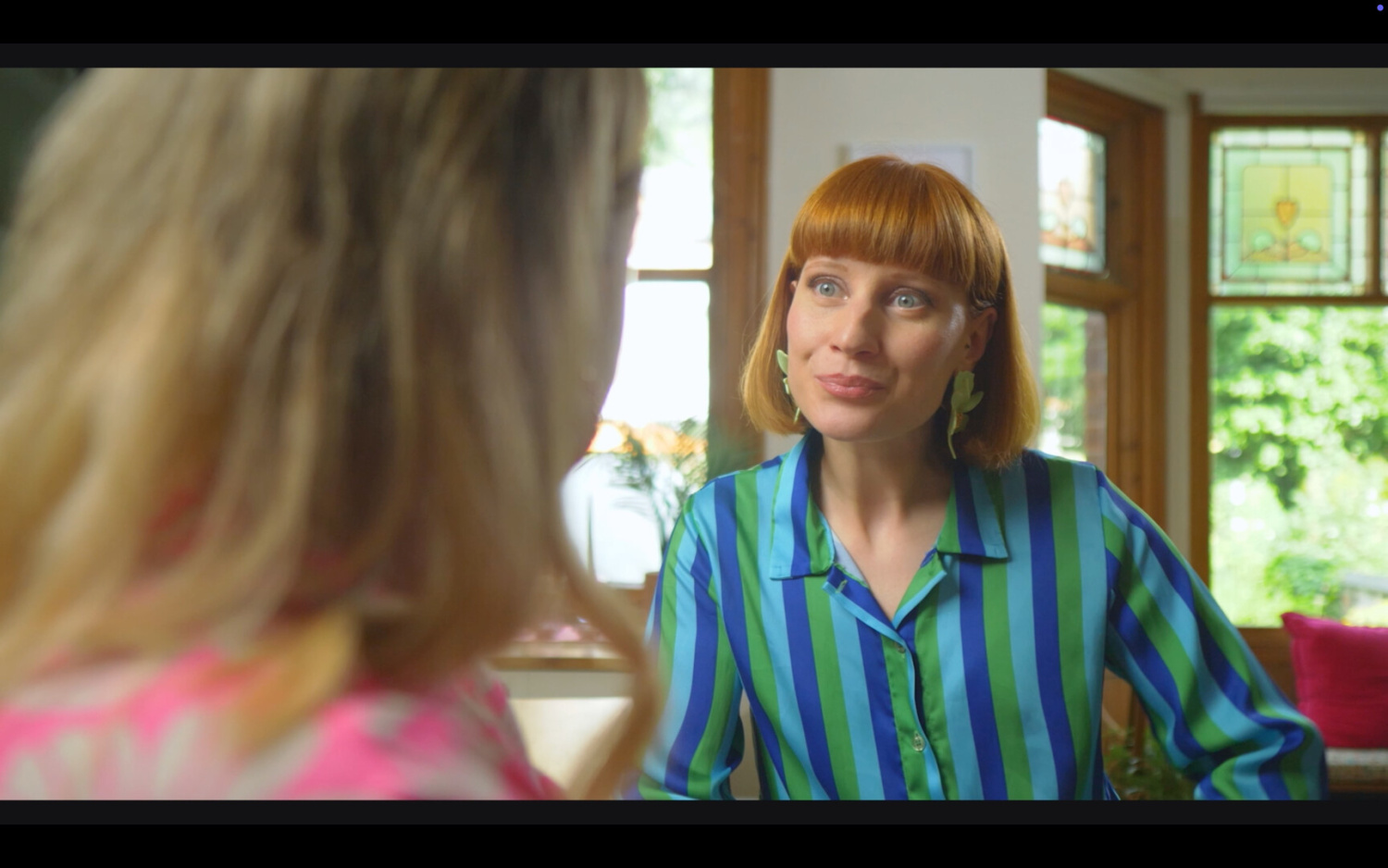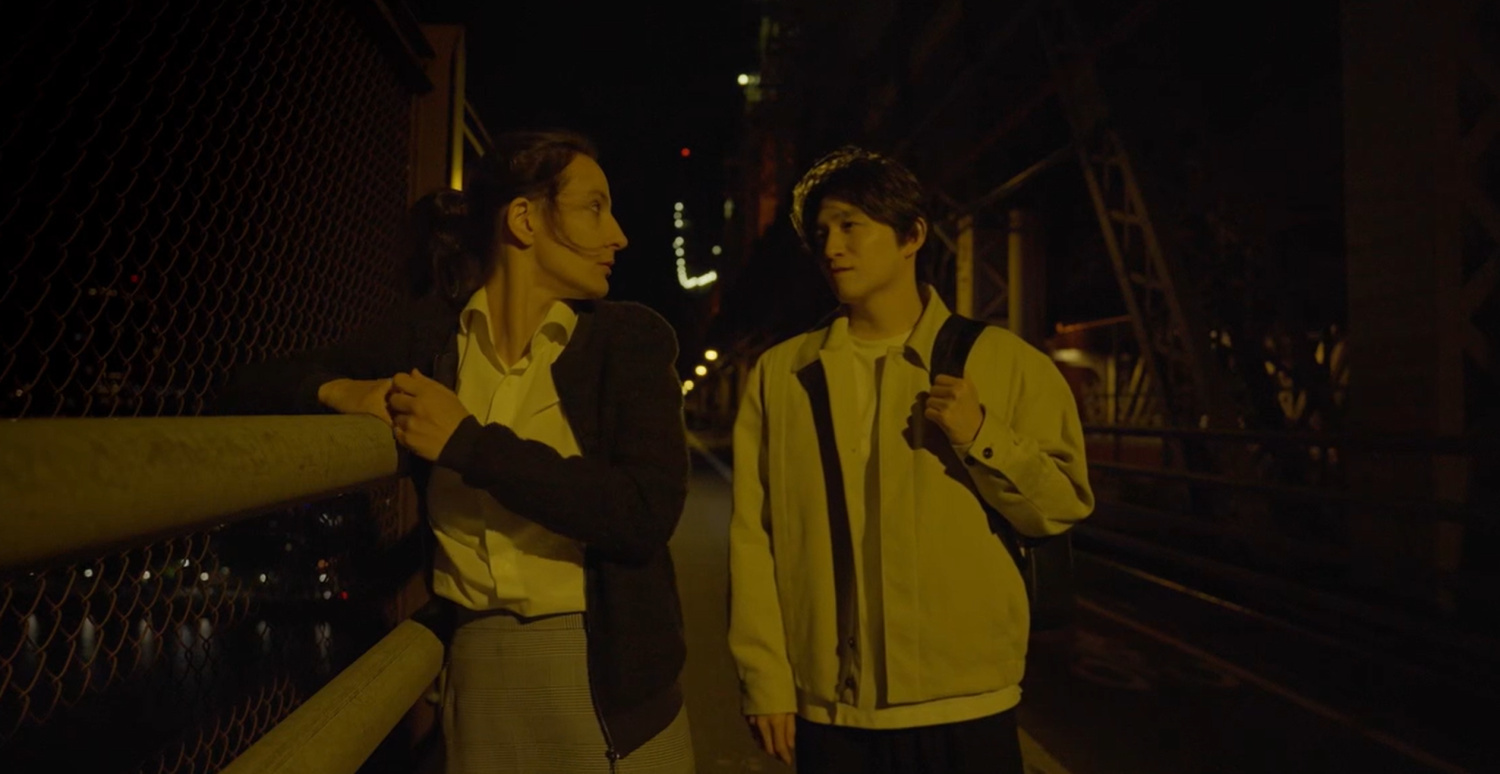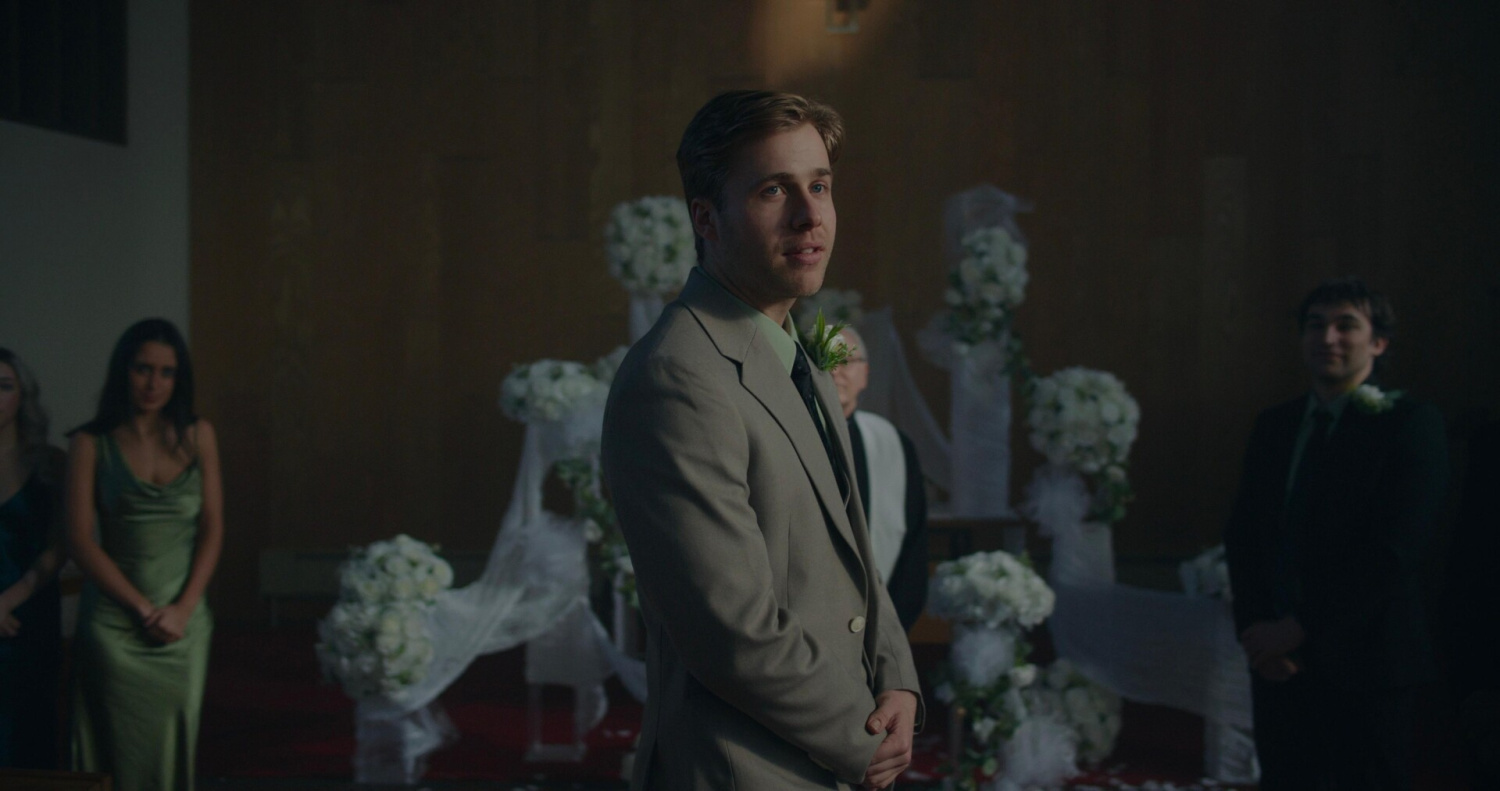
On their wedding day, a young couple’s vows are interrupted by a sudden, violent outbreak. As the infection spreads through the ceremony, love and survival collide, forcing them to confront a relationship already fractured long before the first bite.
Director Statement
Wind & Water came from an interest in relationships that don’t end because of a clear betrayal or a single fault, but instead deteriorate over time without either person being the villain. Two people can care about each other, even love each other, and still find themselves in something that no longer works.
What interested me was the conflict that creates—when something feels wrong, but there’s no clear reason to leave, and no one to blame. That sense of being stuck, not out of obligation but out of familiarity and emotional dependence, became the core of the film.
The outbreak isn’t the subject, it’s the pressure. It accelerates everything, stripping away distance and forcing the characters to confront what they would otherwise avoid. Under that pressure, the truth of the relationship surfaces quickly.
Structurally, the film uses interwoven timelines—before, during, and after the wedding—to build a fuller picture of the relationship. Each thread reveals different information, allowing the audience to understand not just what’s happening, but why it matters. The contrast between those moments creates a perspective that a linear structure wouldn’t.
At its core, the film is less about survival and more about recognition—of each other, and of the situation they’re in.
About the Director.
 Alex Harvey is a London-based writer-director creating character-driven genre films focused on flawed relationships, identity, and control. His work leans into non-linear storytelling and visual atmosphere.