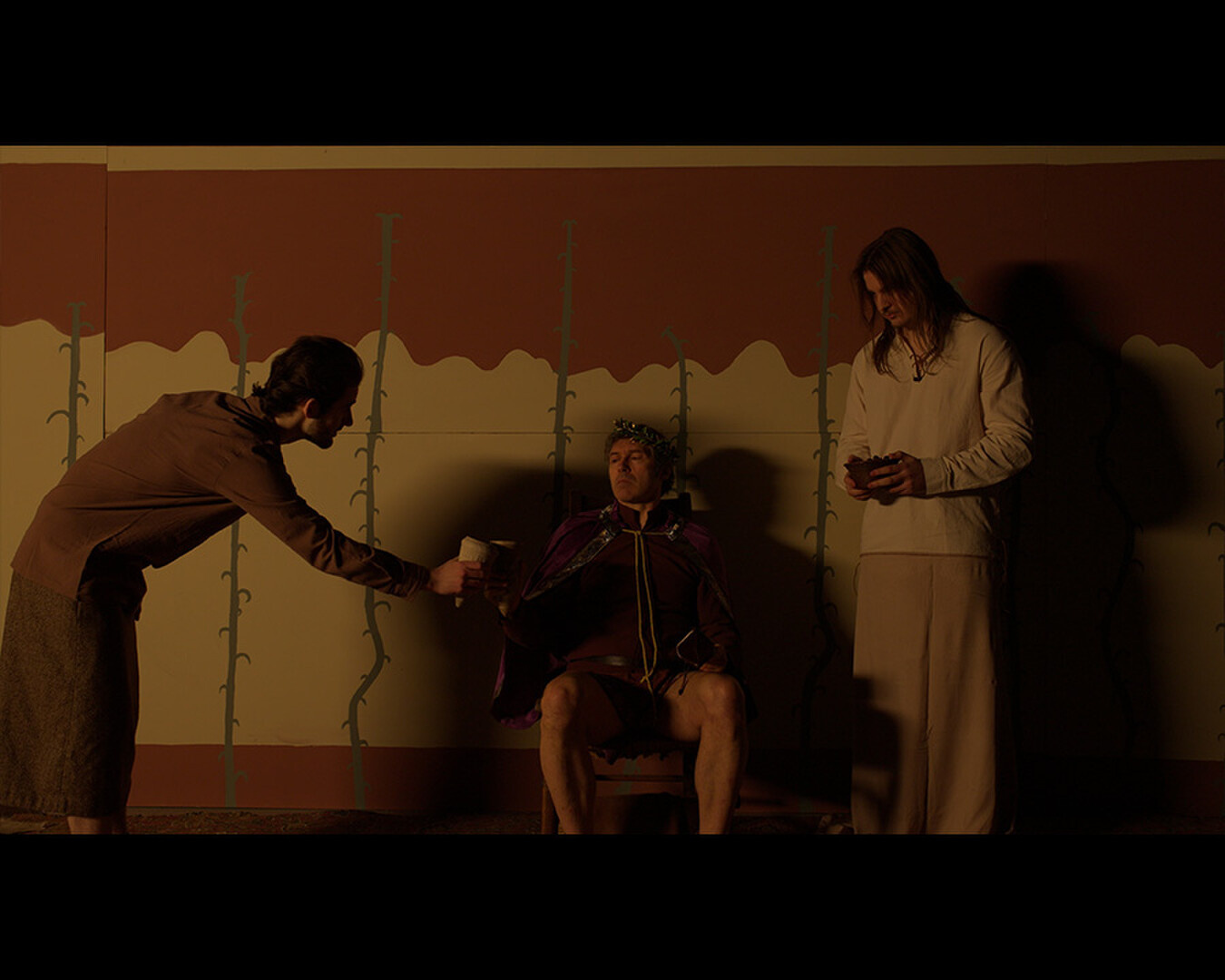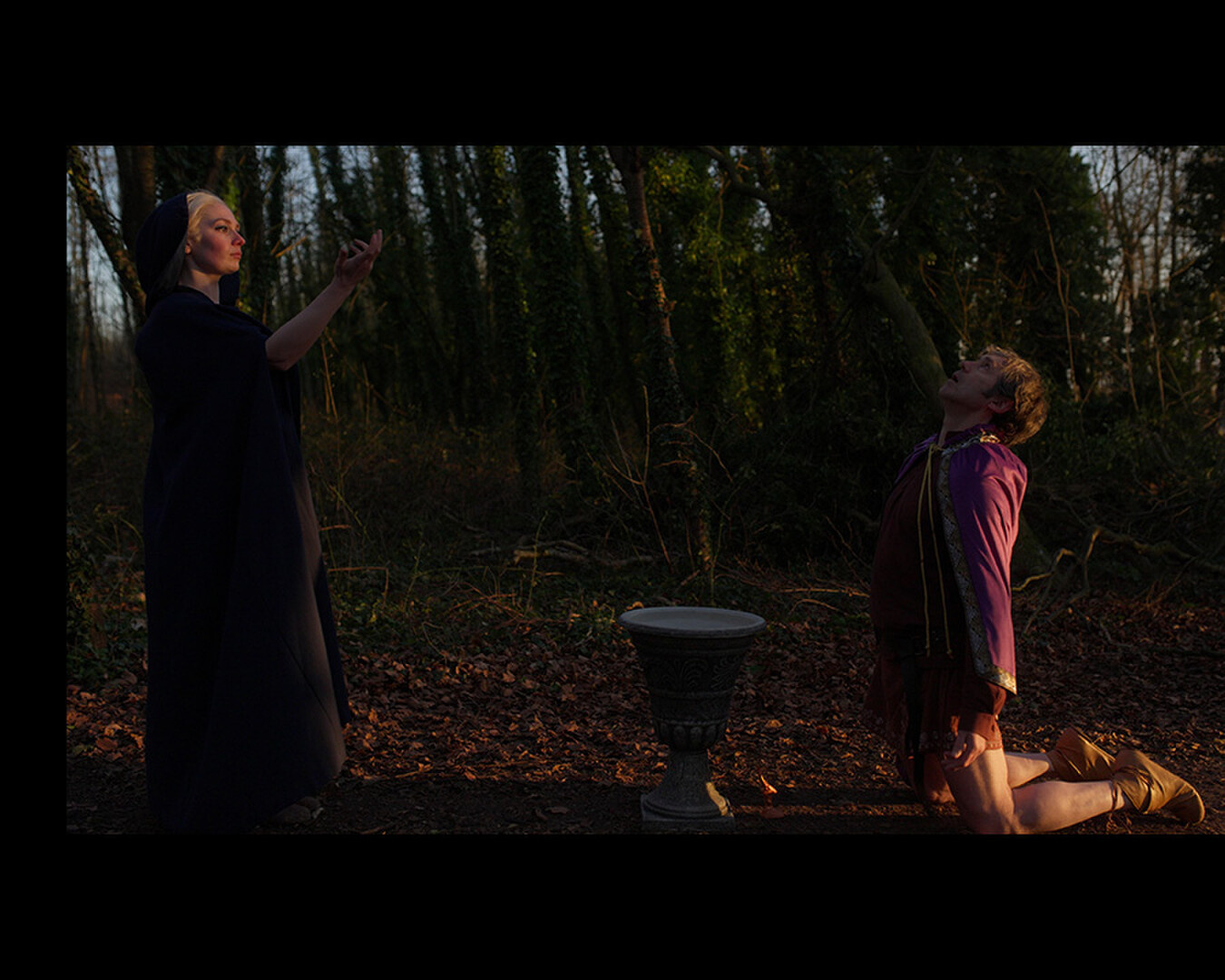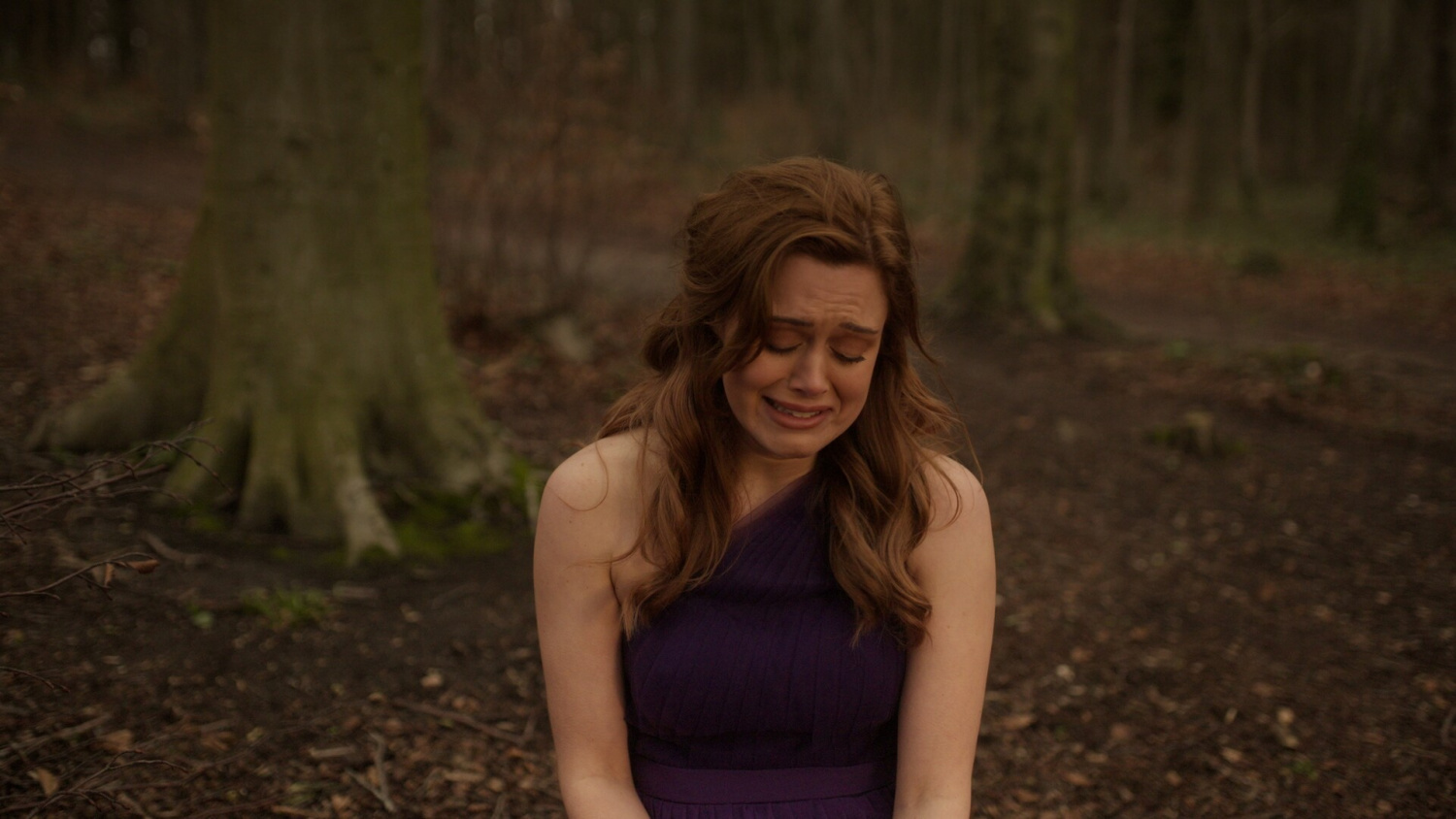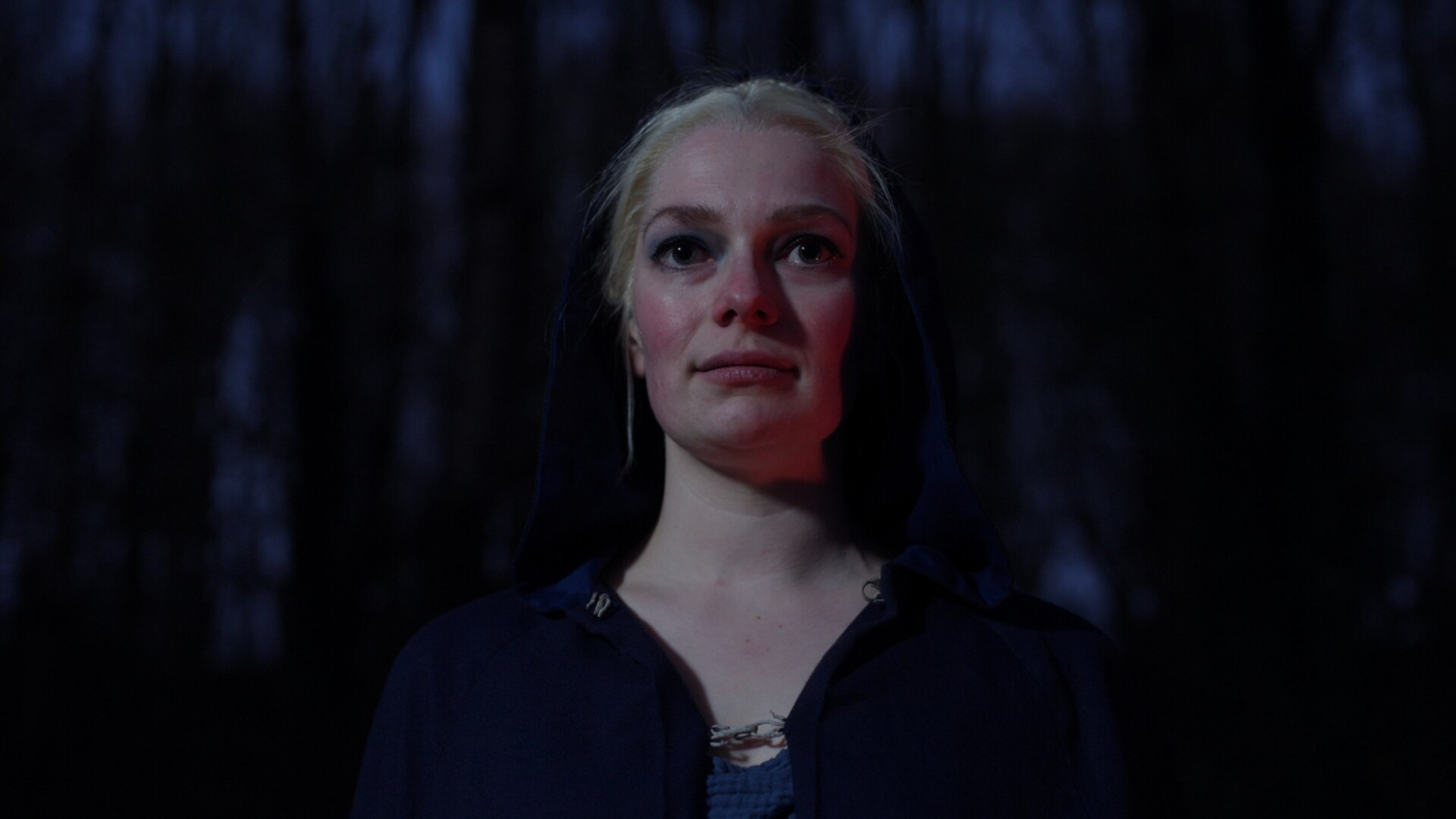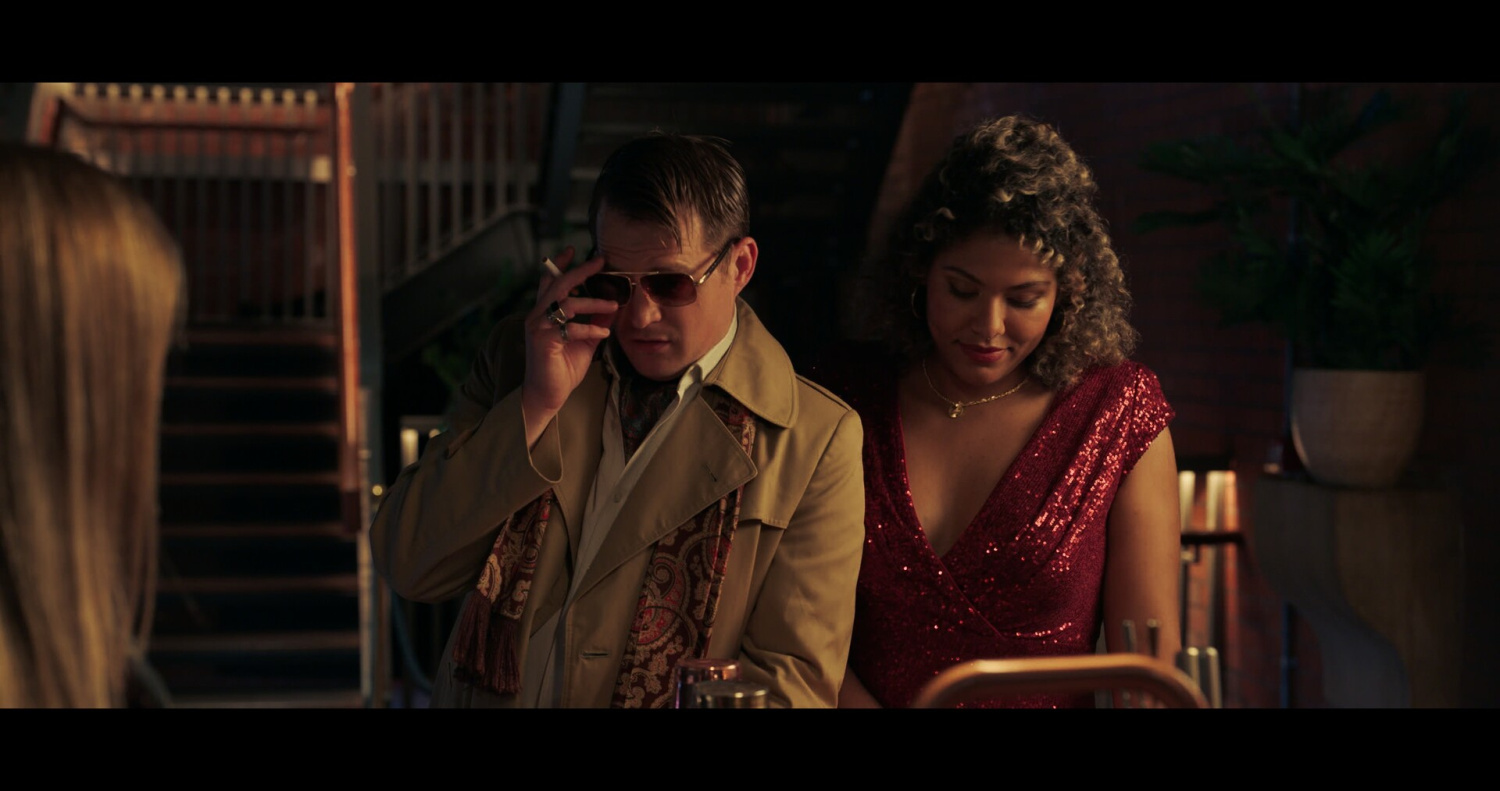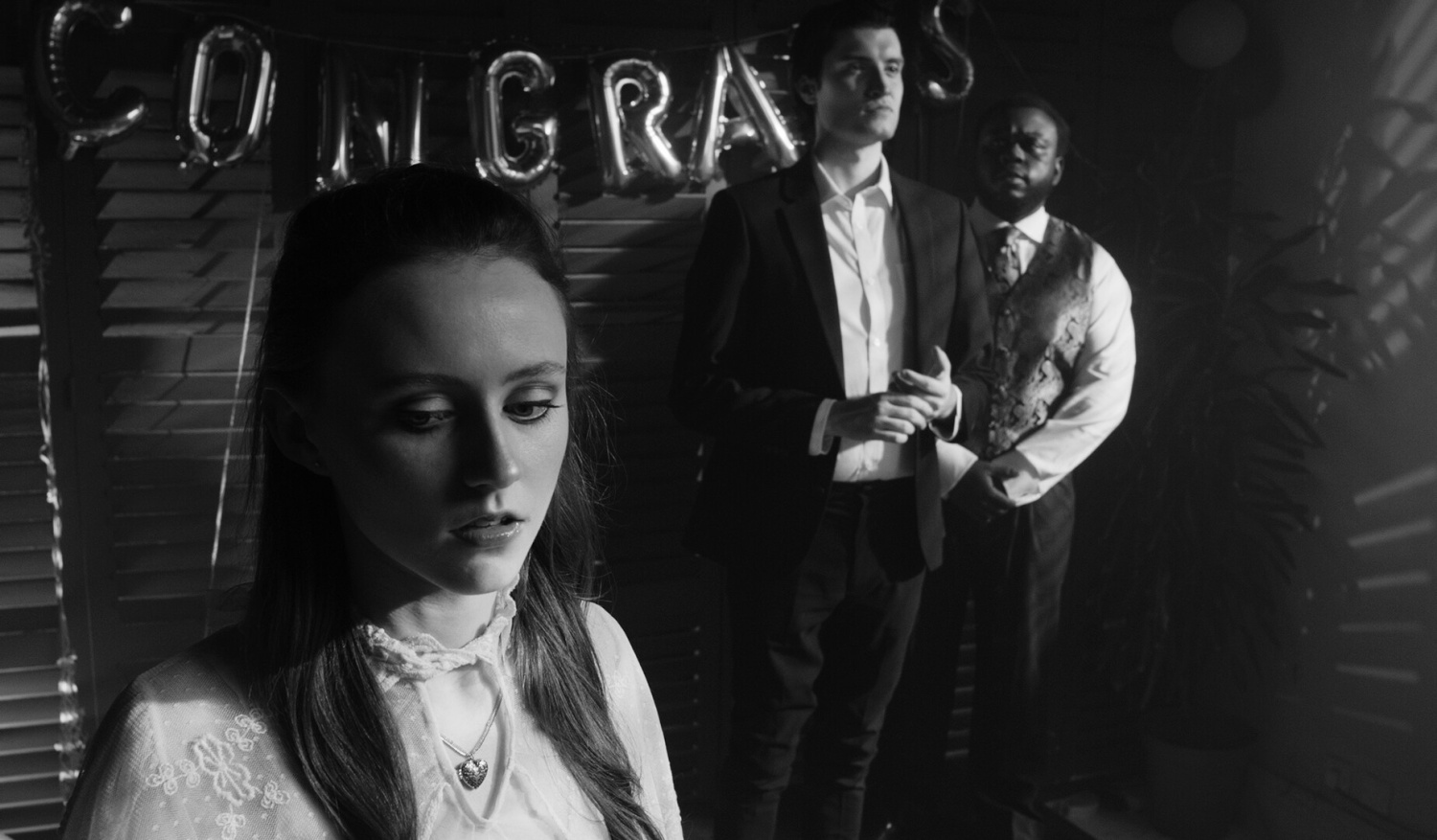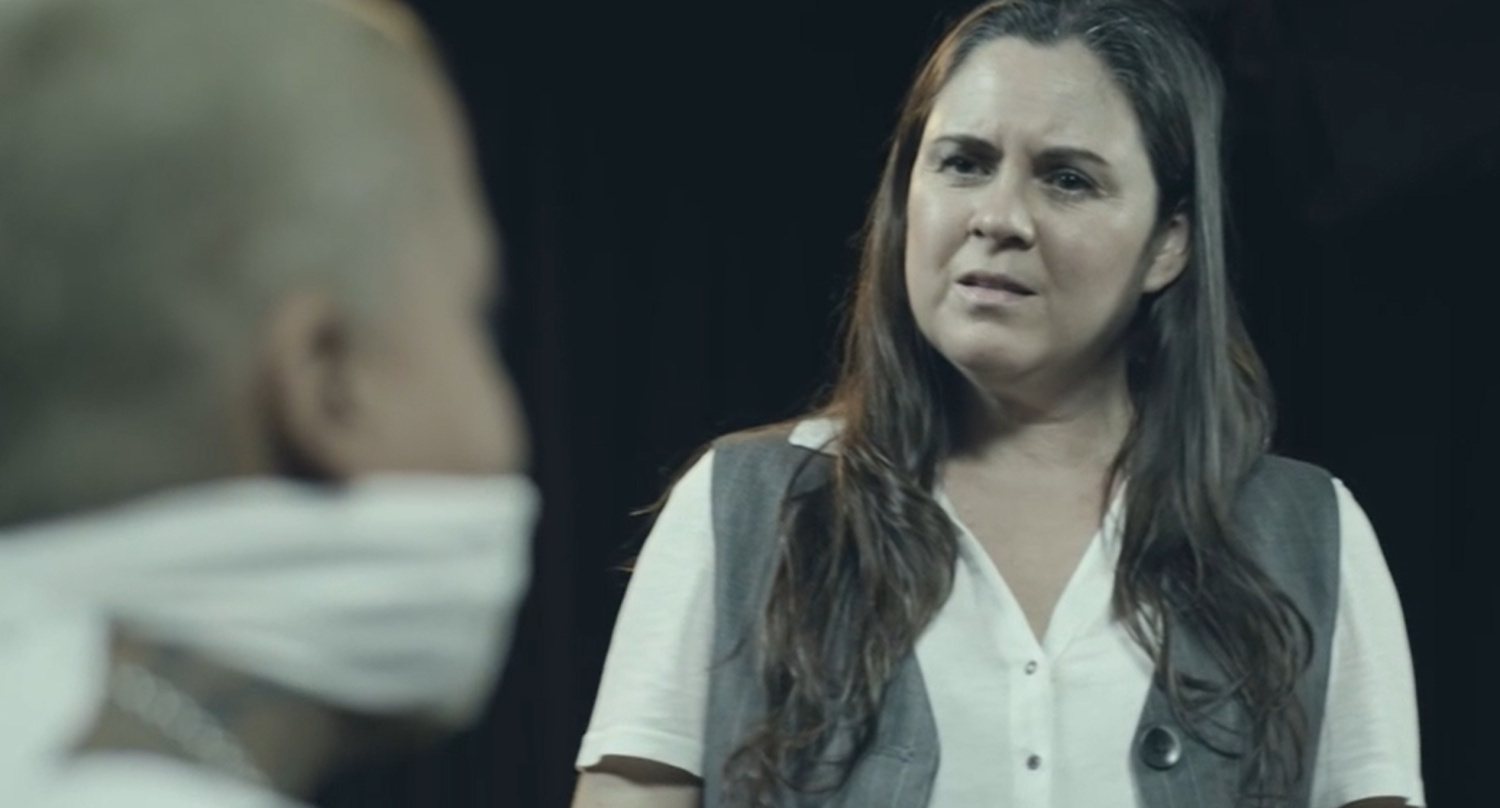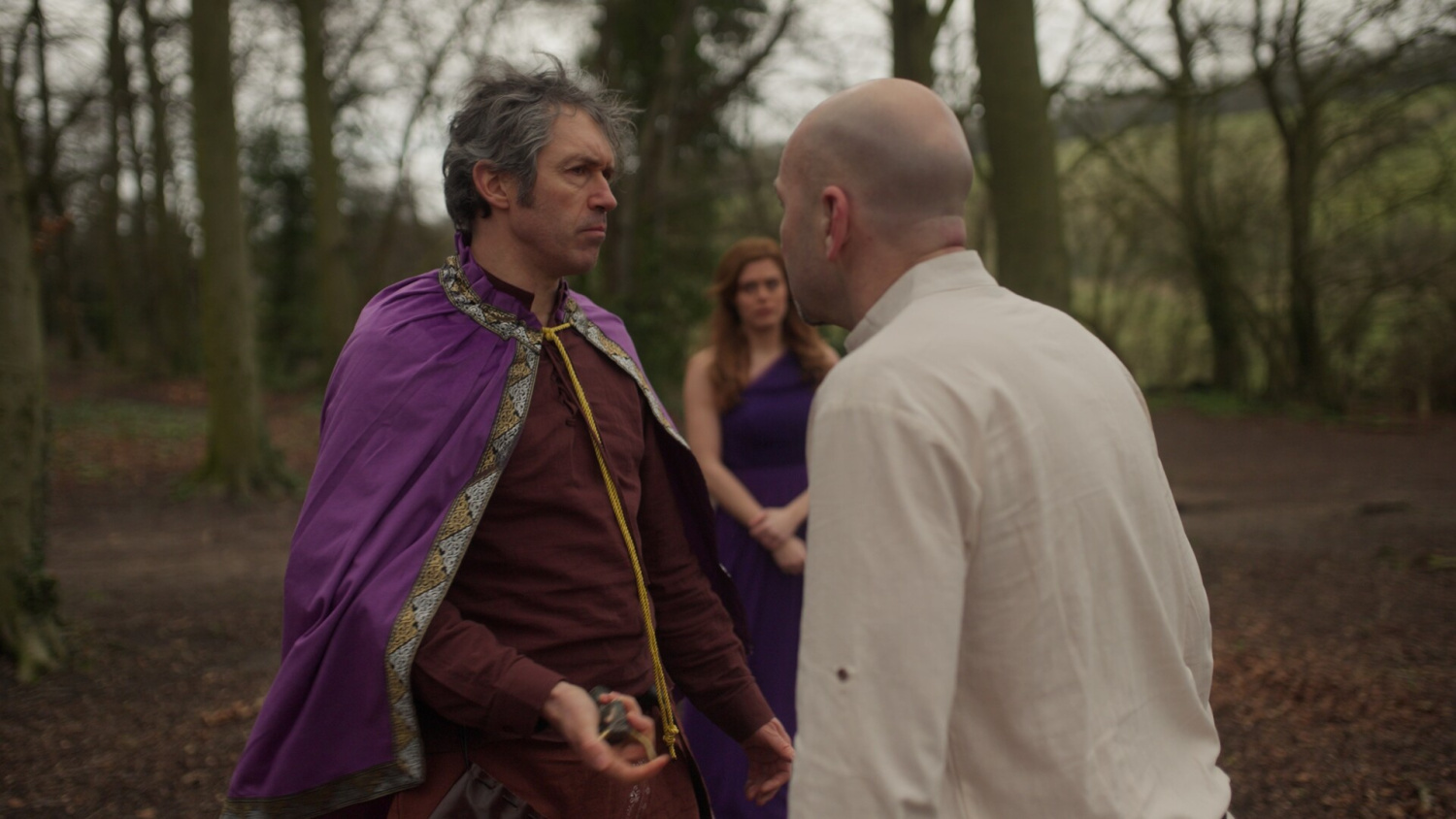
In the ruins and rot of his inherited lot, Minos lies stripped of everything he was never built to hold. As he strikes one final bargain with the gods, what he owes begins to surface, and the man he has always been cannot be outrun. Prince of the Lilies is a Bronze Age mythological drama driven by the oldest truth there is: that pride without conformity has always met its nemesis.
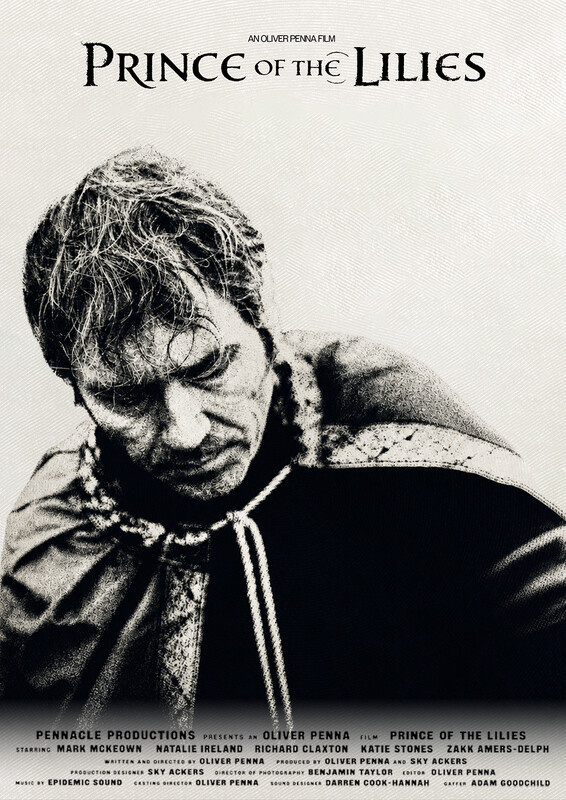
Director Statement
With Prince of the Lilies, I was driven by a sense of absence: what I see as a gap in cinema’s approach to Greek myth. Too often, these stories are presented as a sequence of grand, spectacle-driven moments, where scale overshadows intimacy. While that approach lends itself to epic storytelling, I was more interested in what exists beneath it.
This film draws on the inherent power structures within Greek mythology but seeks to ground them in the emotional and social dilemmas of the everyday. I’ve always believed that people have not fundamentally changed, only the worlds around them have. Through this lens, I wanted to explore how figures often viewed as mythic or distant are, at their core, defined by the same experiences of family, grief, and loss.
At its centre, the film becomes a study of a man torn between his role as a king and his failure as a father. In reading the story of Minos, I was struck not by his status but by his absence and the cost of ambition when placed against personal responsibility. The myth, to me, became less about legacy and more about consequence.
Ultimately, Prince of the Lilies is about the tension between power and responsibility, and the quiet, often overlooked cost of choosing one over the other.
About the Director.
 Oliver Penna is a director, cinematographer, and filmmaker from the north of England, whose work is driven by his deep fascination with H. P. Lovecraft and other cosmic horror-based literature. His films explore distorted realities, existential uncertainty, and historical mythos.
His passion for cinematography and mise-en-scène derives from the work of David Lynch and Stanley Kubrick, helping to establish the complex aesthetics and set-pieces within his films. He has prior experience working on festival-nominated short films, alongside production work in live environments.